


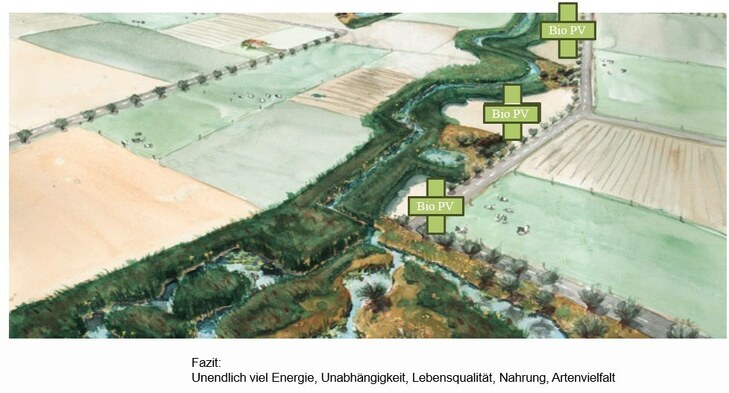
refers to the nature-friendly design of solar parks to increase biodiversity while generating clean energy.
We adhere to the NABU policy paper
Here are some key points:
Binding standards should apply to solar parks intended to be considered particularly valuable for biodiversity. These standards aim to realise their full biodiversity potential and ensure comprehensive species protection.
No more than 40 per cent of the area is covered by solar modules, leaving room for natural habitats1.
Well-planned and designed solar parks can increase biodiversity. Incorporating stepping-stone habitats such as clusters of trees and shrubs, ponds and stone piles, as well as gaps in fencing for small mammals such as hedgehogs and brown hares, can promote biodiversity.
Large-scale installations should also include corridors for large mammals such as wolves and red deer.
Solar parks offer the opportunity to enhance areas with low biodiversity while generating clean energy1.
The Bundesverband Neue Energiewirtschaft (bne) has created a certification label for well-designed solar parks that can increase biodiversity or combine solar electricity generation with sustainable agriculture.
The bne has also put forward a legislative proposal to enshrine biodiversity photovoltaics in the Renewable Energy Sources Act (EEG) and agricultural law, and to ensure that further photovoltaic expansion is compatible with nature2.
Overall, biodiversity solar parks offer the opportunity to generate clean energy while protecting and enhancing nature3.
1 https://www.nabu.de/umwelt-und-ressourcen/energie/erneuerbare-energien-energiewende/solarenergie/31385.html
2 https://www.pv-magazine.de/2023/06/21/bne-will-biodiversitaets-solarparks-zum-standard-erheben/
3 https://www.pv-magazine.de/2021/10/19/vielfaeltige-nachweise-fuer-biodiversitaet-in-solarparks/
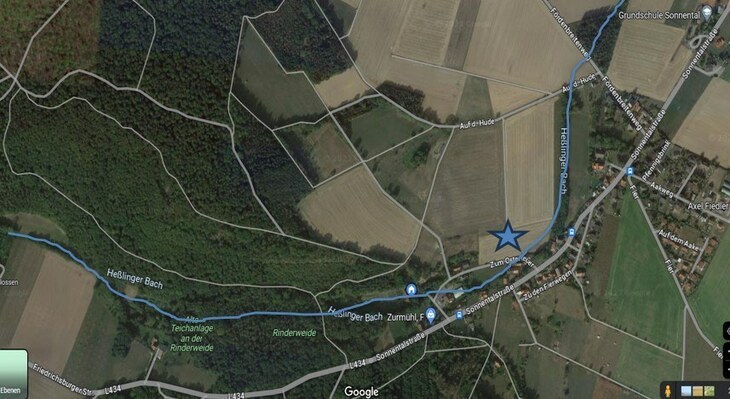
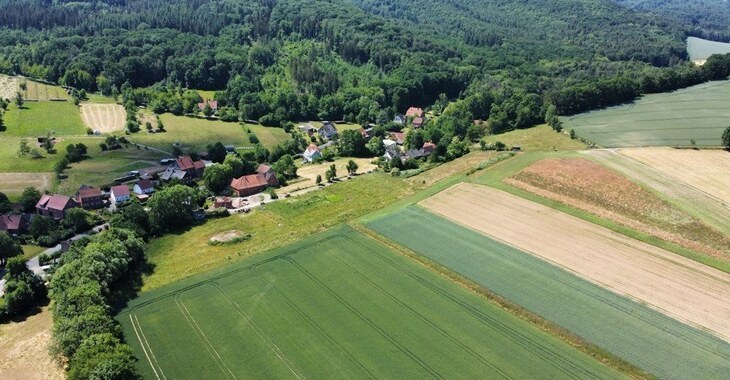
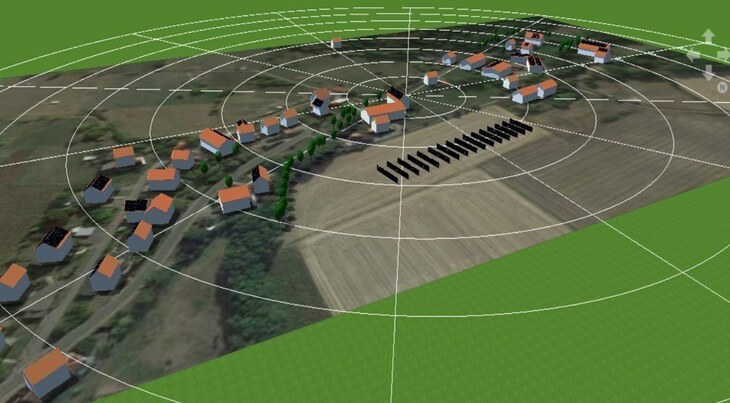
A biodiversity PV pilot project is being implemented in Hessisch Oldendorf, close to our premises.
Stonechats, red-backed shrikes and grey partridges have since colonised the area. None of these three bird species had previously been present on the site.
We adhere to the NABU policy paper
Here are some key points:
Binding standards for ecologically valuable solar parks:
Binding standards should apply to solar parks intended to be considered particularly valuable for biodiversity. These standards aim to realise their full biodiversity potential and ensure comprehensive species protection.
No more than 40 per cent of the area is covered by solar modules, leaving room for natural habitats1.
Ecological enhancement of solar parks:
Well-planned and designed solar parks can increase biodiversity. Incorporating stepping-stone habitats such as clusters of trees and shrubs, ponds and stone piles, as well as gaps in fencing for small mammals such as hedgehogs and brown hares, can promote biodiversity.
Large-scale installations should also include corridors for large mammals such as wolves and red deer.
Solar parks offer the opportunity to enhance areas with low biodiversity while generating clean energy1.
Biodiversity solar parks as the standard:
The Bundesverband Neue Energiewirtschaft (bne) has created a certification label for well-designed solar parks that can increase biodiversity or combine solar electricity generation with sustainable agriculture.
The bne has also put forward a legislative proposal to enshrine biodiversity photovoltaics in the Renewable Energy Sources Act (EEG) and agricultural law, and to ensure that further photovoltaic expansion is compatible with nature2.
Overall, biodiversity solar parks offer the opportunity to generate clean energy while protecting and enhancing nature3.
1 https://www.nabu.de/umwelt-und-ressourcen/energie/erneuerbare-energien-energiewende/solarenergie/31385.html
2 https://www.pv-magazine.de/2023/06/21/bne-will-biodiversitaets-solarparks-zum-standard-erheben/
3 https://www.pv-magazine.de/2021/10/19/vielfaeltige-nachweise-fuer-biodiversitaet-in-solarparks/
A biodiversity PV pilot project is being implemented in Hessisch Oldendorf, close to our premises.
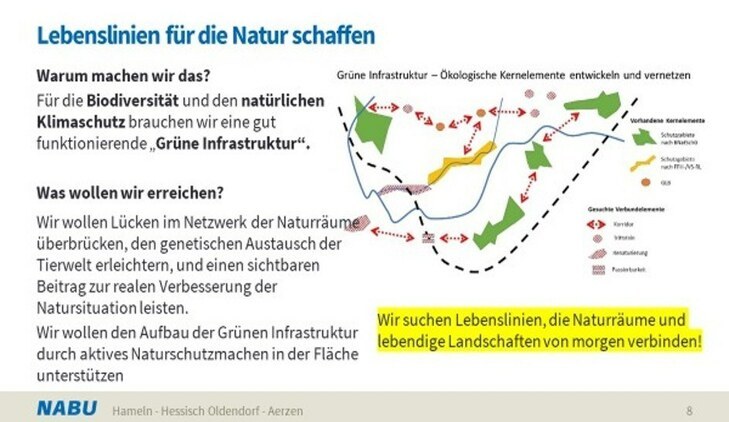
The aim is to connect habitats
or to expand existing connections and enhance adjacent areas
for example, an area along the Heßlinger Bach is still arable land
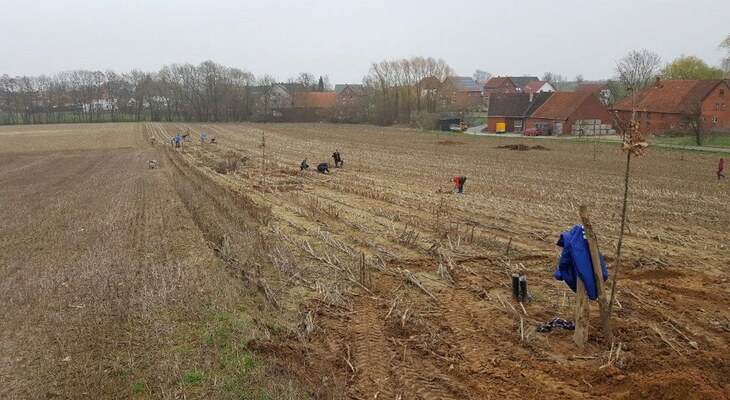
A hedge along the northern boundary has enhanced and enclosed the area.
after the first year, many different plant and animal species had become established in the area
The plan now is to install PV modules on the newly created species-rich grassland. These will be installed with 9 m spacing between rows to allow hay production.
Stonechats, red-backed shrikes and grey partridges have since colonised the area. None of these three bird species had previously been present on the site.