


It is therefore a climate-friendly alternative to CNG from fossil natural gas. Here is some key information about it:
These materials are converted into biomethane, which is chemically identical to natural gas.
Bio-CNG can be used in natural gas vehicles without any problems.
Climate-friendly driving: Bio-CNG enables environmentally friendly driving in a “green combustion-engine vehicle”.
Circular economy: The organic components in biofuel/biomethane production are converted into fuel, while the inorganic components are returned to farms as biofertiliser.
Cheaper and exempt from carbon tax: Biomethane was offered at a lower price than fossil natural gas for the first time12.
The biogas is purified to remove unwanted components such as carbon dioxide, water or hydrogen sulphide.
Once upgraded to the required quality, the treated biogas enters the gas grid as biomethane via appropriate injection points and pipelines. It is later dispensed in compressed form as Bio-CNG at filling stations.
Operators such as OG Clean Fuels are fully committed to climate-neutral fuels.
Overall, Bio-CNG offers a sustainable and environmentally friendly alternative to fossil natural gas and helps reduce CO₂ emissions3.
Properties of Bio-CNG:
Bio-CNG is a climate-neutral fuel produced from waste and residual materials such as organic waste, manure, slurry or sewage sludge.These materials are converted into biomethane, which is chemically identical to natural gas.
Bio-CNG can be used in natural gas vehicles without any problems.
Benefits of Bio-CNG:
CO₂ reduction: Bio-CNG achieves a CO₂ reduction of up to 100 %.Climate-friendly driving: Bio-CNG enables environmentally friendly driving in a “green combustion-engine vehicle”.
Circular economy: The organic components in biofuel/biomethane production are converted into fuel, while the inorganic components are returned to farms as biofertiliser.
Cheaper and exempt from carbon tax: Biomethane was offered at a lower price than fossil natural gas for the first time12.
Production of Bio-CNG:
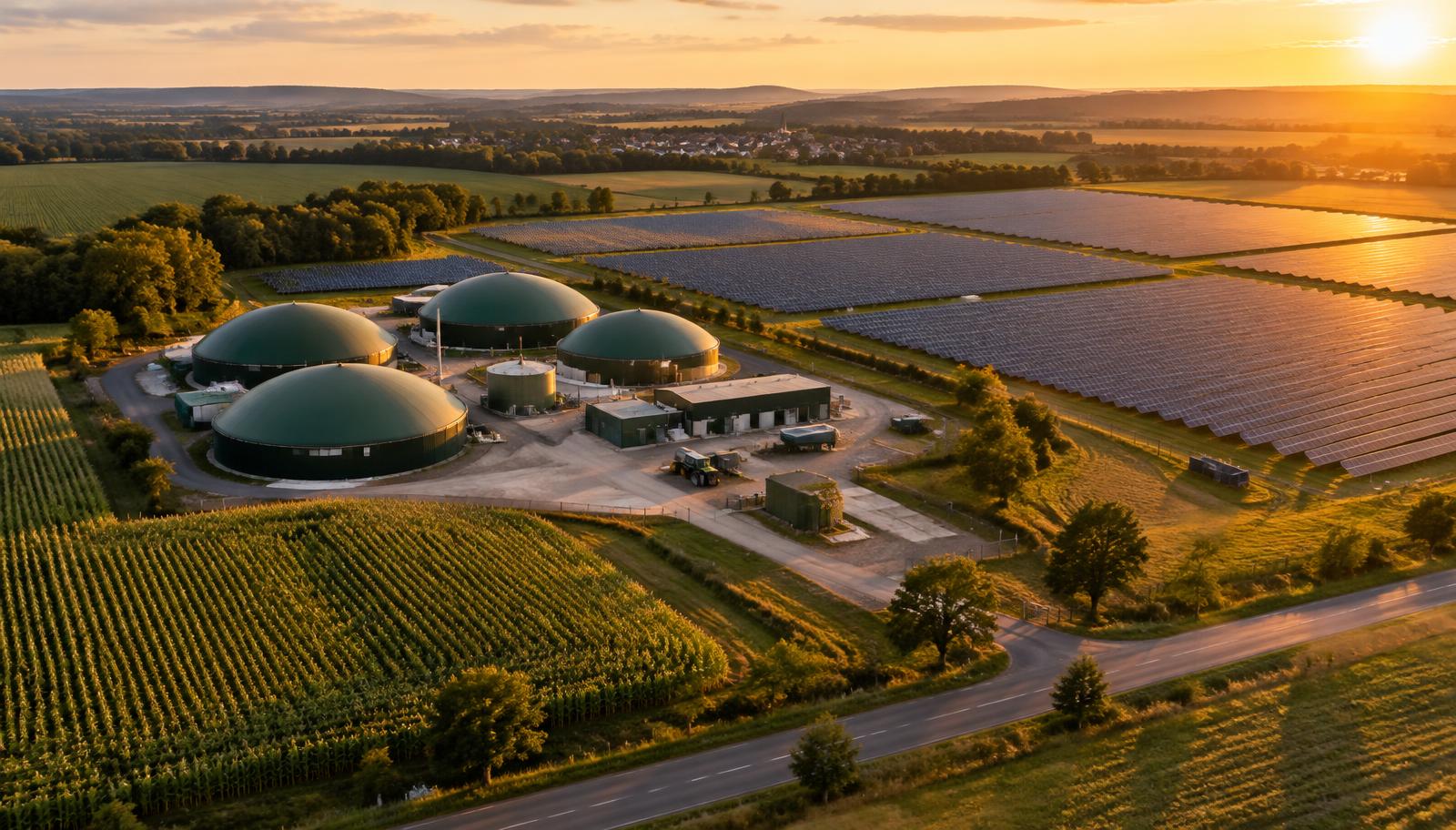
BioCNG is obtained from biogas, which is produced through the anaerobic digestion of organic materials such as agricultural waste in a biogas plant.The biogas is purified to remove unwanted components such as carbon dioxide, water or hydrogen sulphide.
Once upgraded to the required quality, the treated biogas enters the gas grid as biomethane via appropriate injection points and pipelines. It is later dispensed in compressed form as Bio-CNG at filling stations.
Availability of Bio-CNG filling stations:
100 % BioCNG is already available at over 700 CNG stations.Operators such as OG Clean Fuels are fully committed to climate-neutral fuels.
Overall, Bio-CNG offers a sustainable and environmentally friendly alternative to fossil natural gas and helps reduce CO₂ emissions3.